
Understanding Nylon Fabrics: Properties, Types, and Applications #
Nylon fabric stands out in the textile industry for its unique combination of flexibility, durability, and versatility. This article provides an in-depth look at nylon fabrics, their chemical composition, denier classifications, and the wide range of applications they serve.
What is Nylon Fabric? #
Nylon fabric is produced from nylon fibers, which are created through the melting and spinning of thiamine caprolactam (CPL). The result is a textile known for its remarkable flexibility, resistance to alkalis, and superior abrasion resistance. Nylon is also lightweight, making it a preferred choice for many applications. Its excellent moisture absorption, easy maintenance, and silky hand feel further enhance its appeal. For those seeking a distinctive texture, crinkle nylon fabric offers a unique look and feel.
Chemical Composition and Types of Nylon #
Nylon, chemically referred to as polyamide, is derived from petroleum products and is among the most widely used synthetic fibers in industrial production. The two primary types of nylon fabric are:
- Nylon 6
- Nylon 66
These fabrics can be enhanced with various backing treatments, such as TPU, PVC, PVC sponge, PU, TPE, NEO, hydrostatic film, WR (water repellent), and WP (waterproof), depending on the requirements of the end product.
Nylon Fabric Denier (D) Classifications #
Nylon fabrics are categorized by their denier, which refers to the thickness of the fibers. Each classification is suited to specific applications:
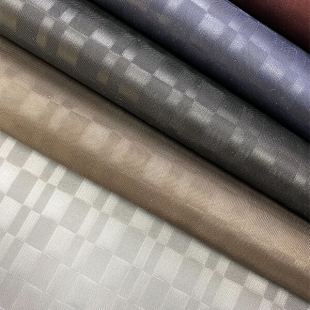 Under 70 D
_65032090581058537.jpg) 70D - 200D
70D - 200D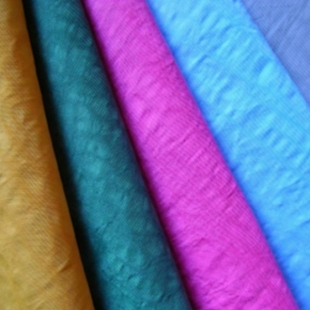 400D – 800D
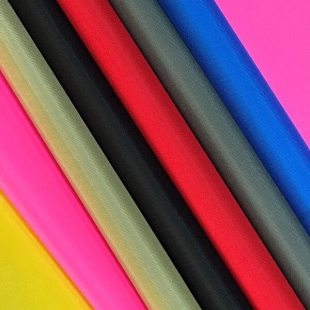 1000D – 2520D
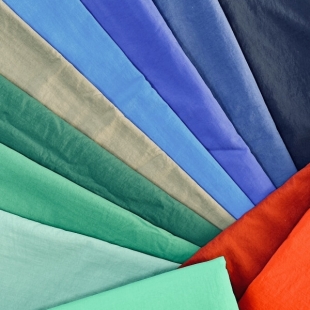 TASLON
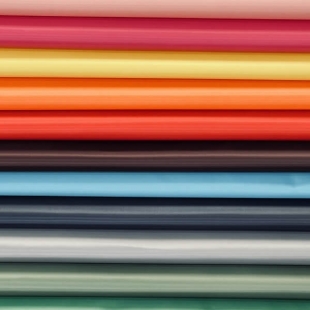 OTHERS
- Under 70 D: Thin and lightweight, ideal for delicate applications.
- 70D - 200D: Medium thickness, suitable for general-purpose uses.
- 400D – 800D: Thicker fabric for heavy-duty applications.
- 1000D – 2520D: Designed for extreme conditions and heavy-duty use.
- TASLON: Known for high tenacity and elasticity.
- OTHERS: Includes specialty nylon fabrics with unique treatments.
A notable example is the Nylon 70D Fabric, which features TPU/PVC waterproofing, making it a popular choice for rainwear and outdoor gear due to its balance of durability and lightness.
Applications of Nylon Fabric #
Nylon fabric’s strength, durability, and adaptability make it suitable for a broad spectrum of products:
- Clothing and Outdoor Gear: Jackets, raincoats, shoes, hats, umbrellas, and parasols
- Travel and Luggage: Luggage, backpacks, school bags, laptop bags, and ladies’ bags
- Outdoor Goods: Tents and outdoor equipment
- Industrial Uses: Automotive parts and linings
- Home and Medical Use: Home decoration and medical supplies
- Specialty Items: Photography equipment softbox fabric, covers, and concealment materials
Yi Chun: Your Partner for Custom Nylon Fabric Solutions #
Yi Chun is a trusted manufacturer and supplier of custom nylon fabrics, offering a comprehensive range from lightweight (20D) to heavy-duty (2520D) options. The product lineup includes woven plain, twill, ripstop, and jacquard (dobby) fabrics, tailored to meet diverse requirements.
Capabilities #
- Production Scale: 3 million meters of nylon fabric produced and sold monthly
- Customization: Custom-made nylon fabrics to match specific needs
- Efficiency: Focused on minimizing shipping time and costs for timely delivery
For those seeking a reliable Taiwan nylon fabric manufacturer, Yi Chun offers high-quality textiles and dedicated service. Contact us today for custom nylon fabric solutions!